
How USB-C Hubs and Docking Stations Support Modern Workspaces

Modern workspaces are more connected than ever. From laptops and monitors to peripherals, networks, and power sources, today’s productivity depends on how seamlessly devices communicate with one another. While displays, computers, and software often get the spotlight, connectivity infrastructure, especially USB-C hubs and docking stations, is the true backbone that keeps modern work environments running smoothly.
As organizations adopt hybrid work models, flexible offices, and shared workstations, reliable connectivity is no longer a nice-to-have. It’s essential.
The Shift Toward Flexible, Device-Driven Workspaces
The traditional office setup (one computer, one desk, one monitor), is quickly becoming outdated. Employees now move between home offices, shared desks, conference rooms, and classrooms, often using a mix of laptops, tablets, and mobile devices. This shift has created a growing need for universal, adaptable connectivity solutions.
USB-C hubs and docking stations address this challenge by acting as a central connection point. With a single cable, users can connect to monitors, keyboards, mice, external storage, Ethernet, and power, instantly transforming a laptop into a full workstation.
Why Connectivity Impacts Productivity
Poor connectivity can slow down workflows, create frustration, and increase IT support requests. Inconsistent ports, incompatible adapters, and unreliable connections lead to wasted time and reduced efficiency.
High-quality hubs and docking stations help eliminate these issues by:
-
Reducing cable clutter and setup time
-
Supporting multiple displays for enhanced productivity
-
Ensuring stable network and power connections
-
Improving compatibility across different devices and operating systems
When employees can sit down, plug in, and start working immediately, productivity improves across the organization.
Docking Stations
Power Up Modern Workspaces with 4XEM Docking Stations
Create a streamlined, high-performance desk setup with reliable docks built for multi-display productivity, fast data access, and simplified connectivity.
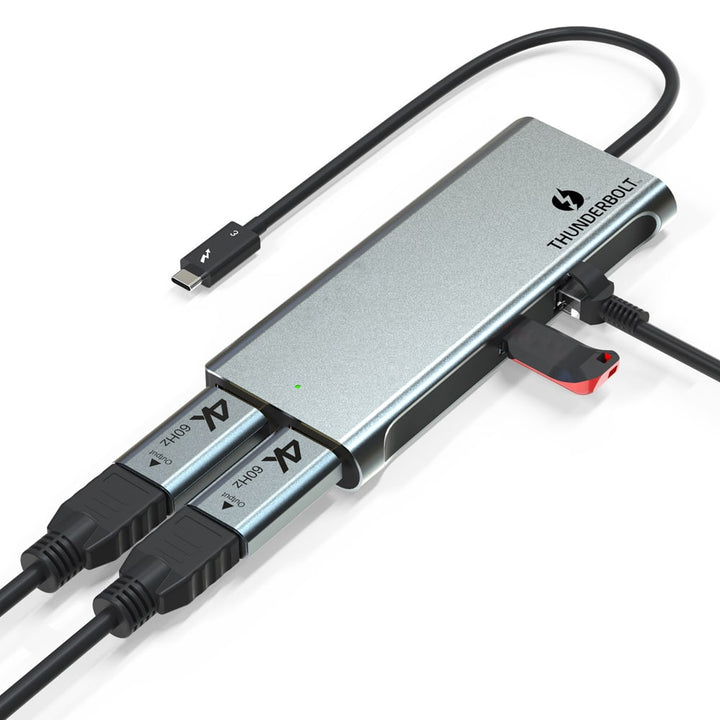
Thunderbolt 3 Dual 4K DisplayPort Mini Docking Station
View product →
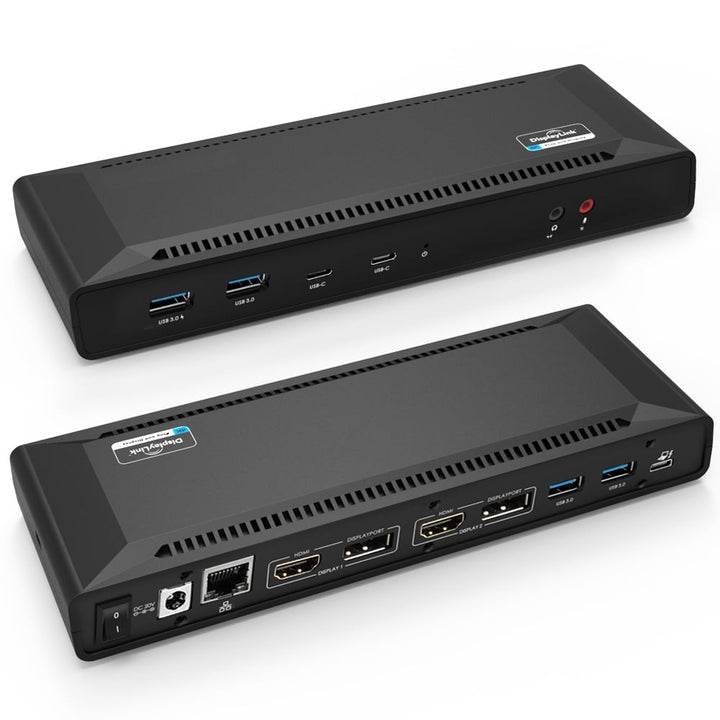
USB-C Dual 4K with Power Delivery Universal Docking Station
View product →
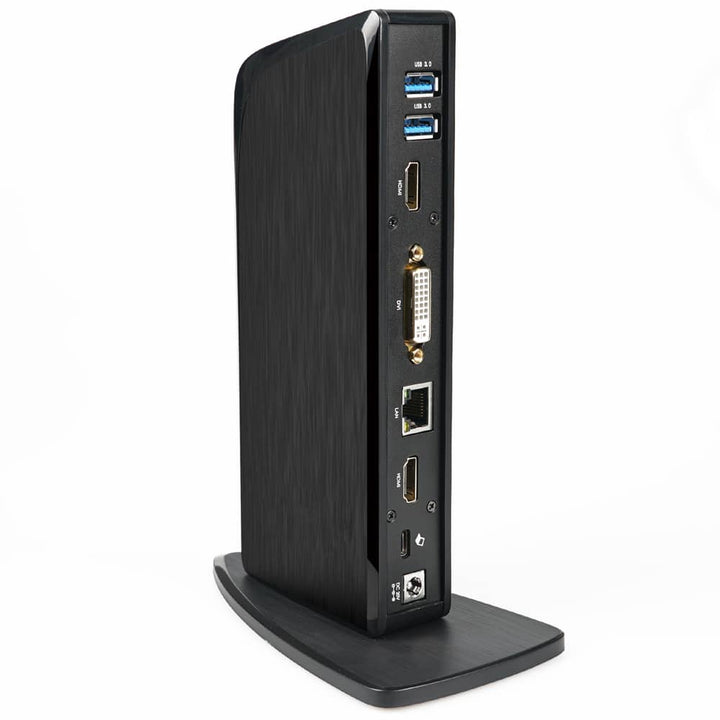
USB-C 4K Triple Display Docking Station with 65W Power Delivery
View product →
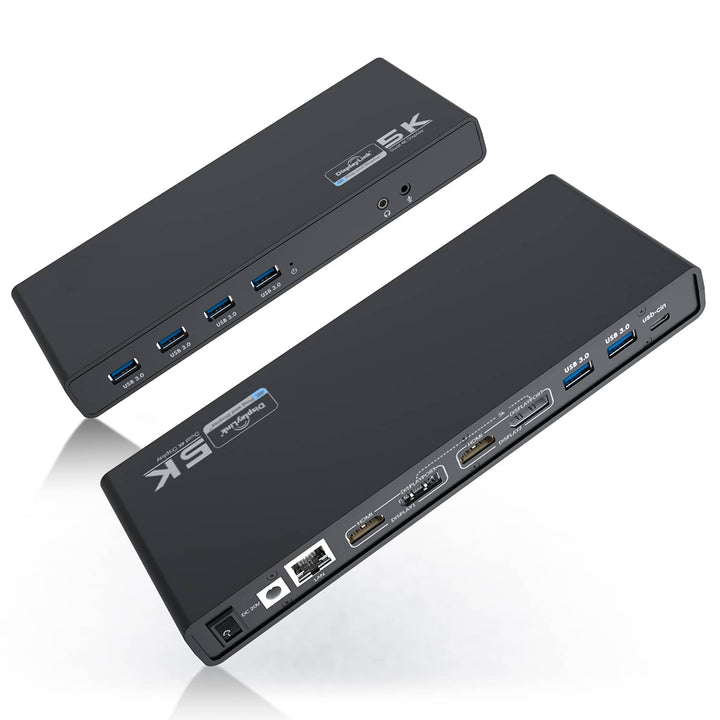
USB-C Ultra 5K (with Dual 4K) Universal Docking Station
View product →
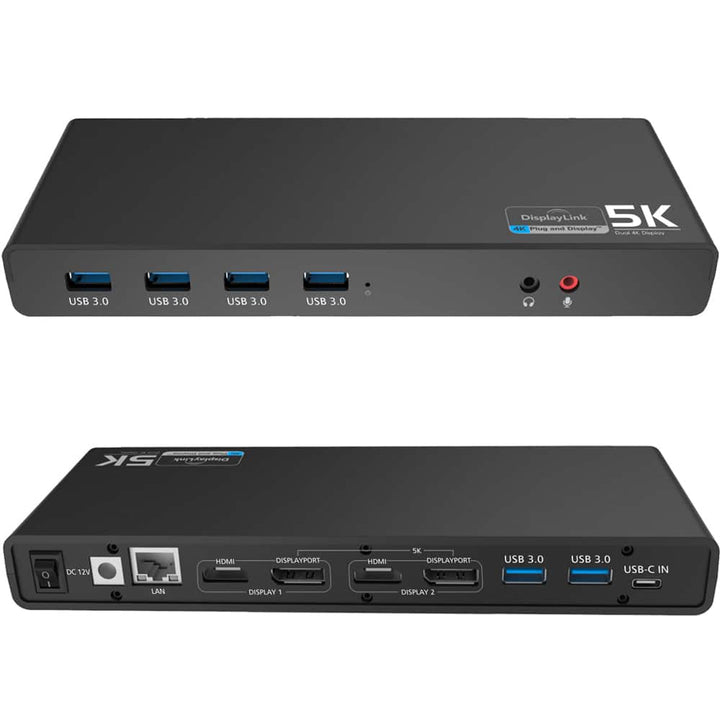
USB-C 4K Ultra HD Multi-Display Universal Docking Station
View product →
USB-C: The Standard Powering Modern Workspaces
USB-C has emerged as the preferred standard for modern connectivity due to its versatility and performance. It supports data transfer, video output, and power delivery through a single port, making it ideal for streamlined work environments.
USB-C hubs expand limited laptop ports, while docking stations provide more robust connectivity for permanent or semi-permanent setups. Together, they support everything from simple desk setups to complex multi-monitor configurations.
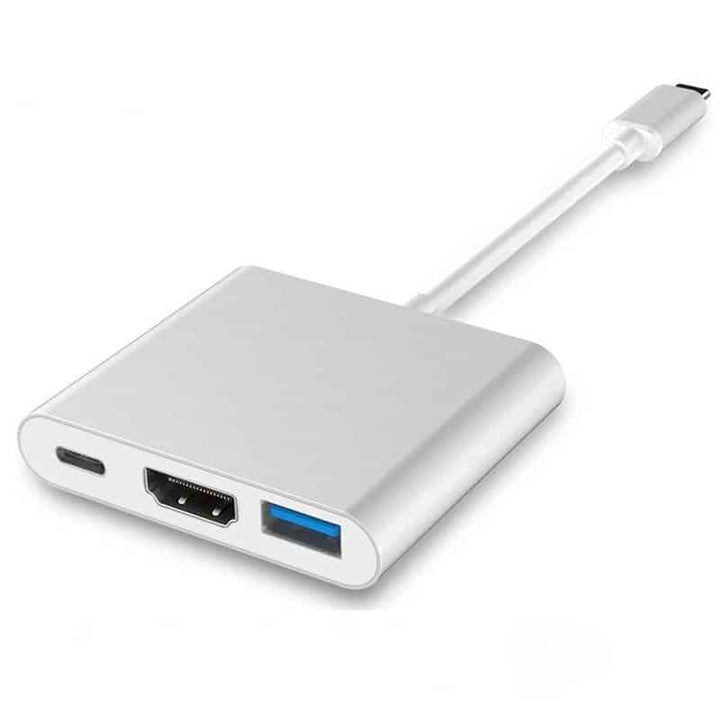
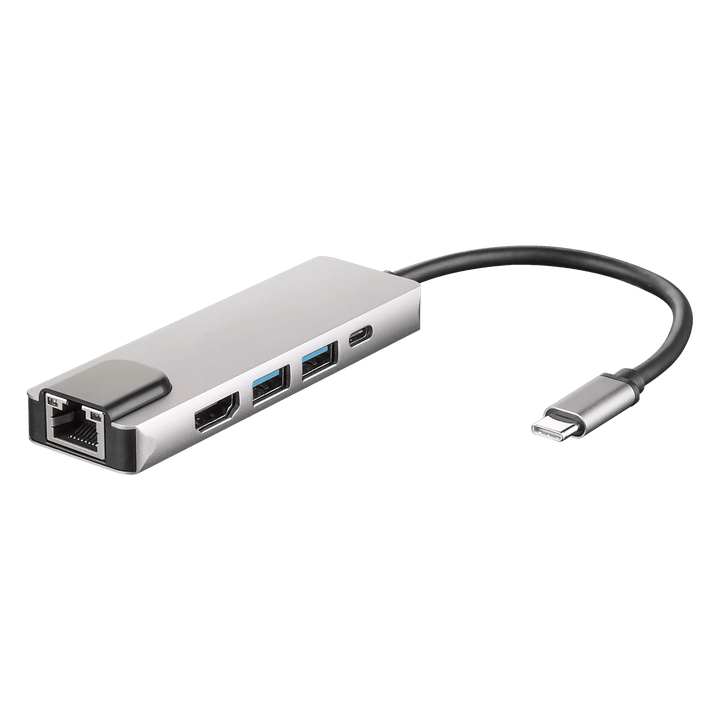
USB-C Hubs
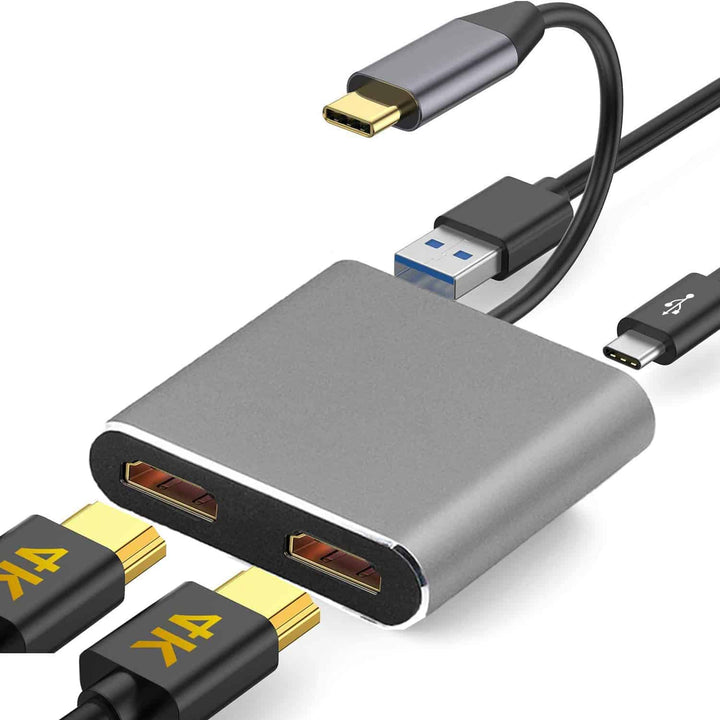
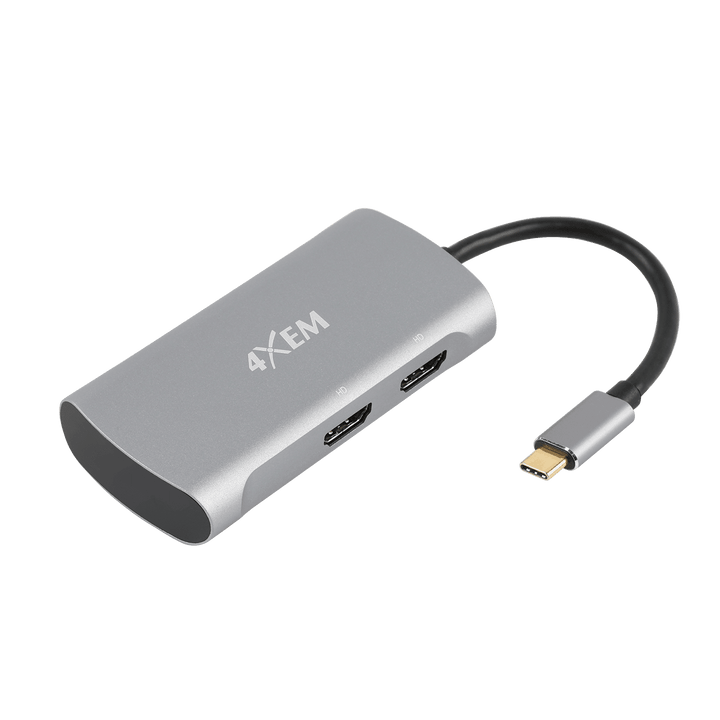
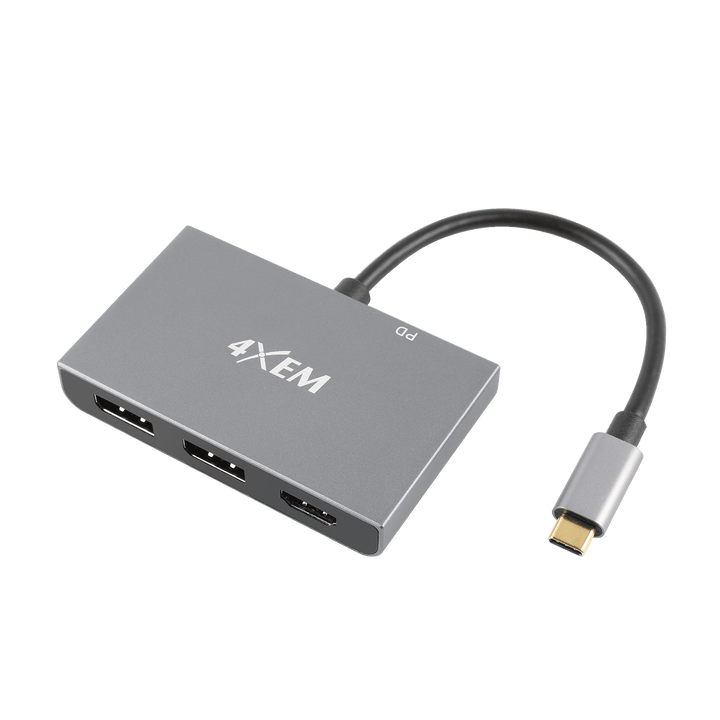
Expand Your Workspace with 4XEM USB-C Hubs
Connect displays, peripherals, and networks with reliable, compact hubs built for modern workspaces.
Connectivity at Scale: Enterprise, Education, and Public Sector
For businesses, schools, and government organizations managing dozens or hundreds of devices, standardized connectivity solutions are critical. Consistent hubs and docking stations simplify deployment, reduce compatibility issues, and make it easier for IT teams to support users.
In education and shared environments, docking stations also help protect devices by reducing wear on ports and minimizing the need for frequent plugging and unplugging of multiple cables.
Building a Strong Foundation for the Future
As technology continues to evolve, workspaces must be ready to adapt. Investing in reliable, future-ready connectivity ensures organizations can support new devices, displays, and workflows without constant upgrades.
By making USB-C hubs and docking stations a core part of workspace design, organizations create a strong foundation for productivity, flexibility, and growth, one connection at a time.
Trusted by


